Showing posts with label alcohol dependence. Show all posts

July 6, 2017

Parkinson's Disease


6th of July, 2017


Parkinson's Disease:

Parkinson's Disease is a disease of the Central Nervous System and mostly occurs among the elderly.
As we age, our cells don't regenerate at the rapid rate they use to and cause a decline in mobility and memory.
Some of the symptoms of Parkinson's are tremors of the hands, stiffness, poor balance.

Unfortunately, there is no cure for Parkinson's Disease but medications can be taken to alleviate the symptoms. Muscle rigidity is a very common symptom and can limit the range of motion in this case. Automatic movements such as chewing, blinking, and smiling can decline as well. In severe cases, slurred speech also occurs and makes talking very difficult.


There are several causes of Parkinson's:


Natural aging process where cells do not multiply rapidly enough to keep up with demand
Environmental Triggers. Constant exposure to environmental toxins can increase the risks for Parkinson's.
Genetics. Certain genetic mutations increase the likelihood of developing Parkinson's.
Lewy Bodies are clumps of proteins that collect inside nerve cells and increase the chances for Parkinson's as well.

Men are more likely to develop Parkinson's Disease. This is possible because men do not reap the protective benefits of estrogen and they are more likely to hold jobs which leads to head injuries.

To diagnose Parkinson's Disease it is important to see a medical professional. They can conduct brain scans such as PET scans and MRIs. Levodopa is a popular medication that may be used to treat the symptoms of Parkinson's.
June 22, 2017

Preventing Dehydration


22nd of June, 2017

Preventing Dehydration:

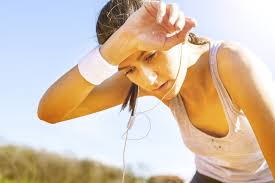
Dehydration can occur when your body does not have enough water to maintain daily functions.
Signs and symptoms of dehydration include extreme thirst, fatigue, dark urine, lack of urination, tiredness.

Dehydration can occur when spending an excessive amount of time in the sun, especially during intense physical activity. Another cause for dehydration can be extreme diarrhea, which causes the body to lose a lot of water. Excessive sweating, vomiting and urination can also cause dehydration as these also cause water to be removed from the body. Dehydration can also be caused by severe, 3rd degree burns. Normally our skin prevents water loss and helps us keep equilibrium. Skin damaged by severe burns, cannot maintain its function so the body loses a lot of water. 
If you suspect extreme dehydration, contact your doctor or go to the hospital immediately.


Here are some tips to stay hydrated:
Stay hydrated by drinking plenty of water before, during and after all physical activity. This is vital to retaining your fluids and maintaining a healthy temperature, especially if it is very hot out or you are engaging in intense physical activity.You can do this by always carrying water with you anywhere you go in your own container.

Avoiding a lot of protein is advisable as excess protein consumption can cause dehydration. If you are consuming a lot of protein, drink 8-10 glasses of water a day to stay hydrated.

Avoiding alcoholic beverages is necessary when trying to stay hydrated in extreme heat or during physical activity. All alcoholic drinks should be avoided, including cocktails, beers, wines, liquors etc.
Avoid excessively sugary or salty drinks and foods as they cause your body to retain water unnecessarily and increase blood pressure. You want to stick to low sodium, low sugar foods and drinks to help your body run at its optimal level.


April 18, 2017

Alcohol Dependence Doesn't Have a Face


18th of April, 2017

Alcohol Dependence Doesn't Have a Face:

Alcohol dependence, also known as alcoholism, affects around 18 million Americans per year.*

Alcohol dependence doesn't have a face. People from all economic backgrounds, races, genders and countries can experience it. There are many factors affecting alcoholism including genetic predisposition, history of depression, and binge drinking regularly. If someone in your family suffers from alcoholism, then you are more likely to develop the same problem.

Signs and symptoms of alcohol dependence include: inability to stop drinking, constant thoughts about alcohol, binge drinking until you feel sick or throw up. Binge drinking is considered 5+ drinks in an hour for a male and 4+ drinks in an hour for a female, approximately.


Treating alcoholism is difficult but not impossible. There are many recovering alcoholics who lead normal lives. Therapy (group or individual) is helpful in treating alcoholism, as most people are not unable to kick the addiction themselves. Some individuals choose to join 12-step groups such as Alcoholics Anonymous.
It is very important to seek medical help when going through withdrawal from alcohol. Alcohol withdrawal causes the following symptoms: shaking, sweating, insomnia, increased depression and anxiety, seizures, suicidal thoughts, decreased appetite, anger and irritability, nausea. Everyone's withdrawal symptoms will be different but will require some form of medical supervision. A hospital stay and an IV may be needed in severe cases to replenish the body and keep the individual stable.  In worst case scenarios, alcoholism can be treated with certain medications.

If you feel like you may have an alcohol addiction, please contact a professional to get an assessment. To get more help you can visit the following websites:

https://pubs.niaaa.nih.gov/publications/treatment/treatment.htm

http://www.aa.org/

https://aidinrecovery.com

---------------------------------------------------------------------------------

https://medlineplus.gov/alcoholismandalcoholabuse.html*