Showing posts with label aging. Show all posts

July 19, 2017

Preventing Atherosclerosis


19th of July, 2017

Preventing Atherosclerosis:

Atherosclerosis is the clogging of the arteries due to cholesterol build up. This occurs when excess fat is present in the arteries and sticks to the walls. The fat builds on top of each other and sticks until it blocks the artery and prevents clean blood flow.


Atherosclerosis prevents free blood flow to the brain and extremities and can cause permanent damage to the brain.

Preventing atherosclerosis is very possible when following a good diet and exercise plan.


  • Adopt healthy eating habits. Eat more fruits and vegetables of diverse colors on a regular basis.
  • Quite bad habits such as smoking tobacco immediately.
  • Alcohol should be limited to 1 drink a day for women and 2 drinks a day for men.
  • Managing and maintaining a healthy weight is also helpful in preventing atherosclerosis.
  • Regular cardio and resistance training exercise, several times a week prevents clogged arteries.
  • Decreasing consumption of animal fats (dairy, meat etc) is also beneficial.


It is also recommended to avoid sugary drinks, high salt and sugar content foods. Avoid Saturated fats because they have artery clogging properties and are more likely to cause atherosclerosis.
If a loved one had atherosclerosis, you are more likely to have it as well. That is why it is so important to watch your health to make sure you can prevent this.Have check-ups with the doctor on a regular basis - at least twice a year. Make sure you get good quality sleep, manage stress well and overall create a mental balance in your life.
July 11, 2017

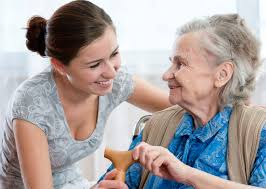
Tips for Dementia Caretakers


11th of July, 2017

Tips for Caretakers:

Whether you are a relative caregiver or a caregiver sent by a home care agency, dealing with people who have dementia can be difficult and challenging. The challenges come from having to absorb the emotional toll of dementia and also from having to use proper techniques to interact with dementia patients.

Here are some tips to be a good caretaker without the burn out:

Set a positive atmosphere.

When talking to a dementia patient, set a positive tone and atmosphere.
your body language and tone matters a lot when communicating. 
No matter your mood, remain positive, calm and pleasant. 
It will help your loved one or dementia patient absorb information 
better and be more receptive.
Redirect their attention.

Sometimes dementia patients get easily upset and agitated. 
When this occurs, acknowledge their feelings and change the subject
"I am sorry I upset you, can you help me fold the laundry and then make dinner?"
 It is important to change their focus to something positive to end the feeling 
of frustration or agitation.
Think back on the past.


You may have heard their story about how they met their spouse a million 
times, but it is important to be receptive to these stories. Often, these are the most 
significant to the person with dementia. Their short term memory may be 
suffering but they will remember events that happened years ago. Ask them questions, 
enjoy their stories; it will make them feel so happy and put them in a good mood.

Communicate simply (ask easy questions).

Do not bombard the dementia patient with questions. 
Ask one question at a time. Do not ask open-ended questions;
 rather stick to "yes or no" questions. It will be easier for them
 to answer and will reduce confusion.

June 28, 2017

What is Sleep Apnea?

28th of June, 2017

What is Sleep Apnea?

Sleep apnea is a sleep condition in which the flow of air is decreased while you are asleep because the airway is obstructed or narrowed.
On occasion, this can happen to anyone but when it is not a consistent issue, it is called a "sleep apnea episode."
Two types of sleep apnea exist:
    • CSA (Central Sleep Apnea): This type of sleep apnea occurs when the brain and muscles are not in sync. The brain does not signal the muscles to breath and breathing can stop. It is less common than Obstructive sleep apnea.
    • OSA (Obstructive Sleep Apnea): This type of sleep apnea occurs when the airway is blocked and air does not have free passage to the lungs. This is a more common type of sleep apnea. This often occurs when "soft tissue" obstructs the passage way. These muscles become more relaxed during sleep, and fall back and block the airway.
A common and annoying symptom of sleep apnea can be snoring. Snoring occurs when the area is trying to get past the obstruction and into the airway.
            Some characteristics that increase the likelihood for sleep apnea are:
  • Unique shapes of the airway that cause the airway to be narrower or collapse 
  • Large neck or collar size (17 inches or more in men and 16 inches or more in women)
  • Large tongue, which may fall back and block the airway
  • Being overweight, pregnant or obese
  • Large tonsils and adenoids in children that can block the airway
  • A lower jaw that is shorter than the upper jaw
    A narrow airway that is smaller than average

  • Tips for Preventing Sleep Apnea:

  • Losing weight if you are overweight.
  • Do not sleep on your back.
  • Decreasing or cutting out alcoholic drinks.
  • Adjusting sleeping positions to open up airway.
  • Quit Smoking Cigarettes. Smoking can increase the swelling in the nasal passage and increase the risks for apnea.

June 22, 2017

Preventing Dehydration


22nd of June, 2017

Preventing Dehydration:

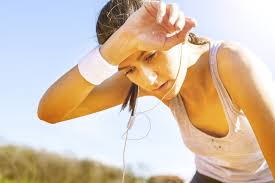
Dehydration can occur when your body does not have enough water to maintain daily functions.
Signs and symptoms of dehydration include extreme thirst, fatigue, dark urine, lack of urination, tiredness.

Dehydration can occur when spending an excessive amount of time in the sun, especially during intense physical activity. Another cause for dehydration can be extreme diarrhea, which causes the body to lose a lot of water. Excessive sweating, vomiting and urination can also cause dehydration as these also cause water to be removed from the body. Dehydration can also be caused by severe, 3rd degree burns. Normally our skin prevents water loss and helps us keep equilibrium. Skin damaged by severe burns, cannot maintain its function so the body loses a lot of water. 
If you suspect extreme dehydration, contact your doctor or go to the hospital immediately.


Here are some tips to stay hydrated:
Stay hydrated by drinking plenty of water before, during and after all physical activity. This is vital to retaining your fluids and maintaining a healthy temperature, especially if it is very hot out or you are engaging in intense physical activity.You can do this by always carrying water with you anywhere you go in your own container.

Avoiding a lot of protein is advisable as excess protein consumption can cause dehydration. If you are consuming a lot of protein, drink 8-10 glasses of water a day to stay hydrated.

Avoiding alcoholic beverages is necessary when trying to stay hydrated in extreme heat or during physical activity. All alcoholic drinks should be avoided, including cocktails, beers, wines, liquors etc.
Avoid excessively sugary or salty drinks and foods as they cause your body to retain water unnecessarily and increase blood pressure. You want to stick to low sodium, low sugar foods and drinks to help your body run at its optimal level.


June 13, 2017

Avoiding Scams as a Senior


13th of June, 2017

Avoiding Scams as a Senior:

In the recent years, there have been many unfortunate incidents of the elderly getting scammed. The technological revolution has made it easier to scam the older generation in new ways.

The key to preventing fraud and scams is by not revealing personal information over the phone or to someone you don't trust. Shy away from revealing your social security number or credit card number to someone, especially if you are receiving unexpected calls from them. Do not reveal person

Some best ways to protect your older loved ones is by becoming involved in their finances and becoming Power of Attorney. This will give you permission to making financial decisions for your loved ones. This is especially useful if they have dementia and cannot make their own decisions. Visit your loved ones regularly and educate them about keeping their information private.
It is also a good idea to keep track of their emails, phone calls, and physical mail to make sure they are not receiving fraudulent information.


The most popular scams:

Do not provide any information in emails, or text messages either. Any email asking you for financial information should be seen as a threat, especially if there is an elaborate story behind why the individual needs your information.

The Grandchild Scam - if someone calls pretending to be your grandchild, asking for money - be wary. Sometimes due to poor hearing or a poor phone connection, an older person may fall for this and send money via Western Union to their "grandchild."

The Medicaid/Medicare Scam - a representative will call to collect and "additional" payment or additional information that they need to keep their membership/enrollment up to date. Do not give any information unless you receive formal mail.

The Internet Fraud - this can take place via email and the story can vary every time. Either it is someone from a foreign country who needs money or the recipient of the email has won an absurd amount of money and must provide bank information. Do not give them your information.

Stay Safe - Keep your information Private!

June 12, 2017

Fall-Prevention for the Elderly


12th of June, 2017

Fall-Prevention for the Elderly:


As people age, their bones become more brittle and soft. Their gait also becomes more unsteady and balance becomes poor. This leads to unexpected falls and broken bones. Unfortunately, in the elderly, broken bones do not heal quickly or easily and can lead to permanent disability.
To prevent falls in the home and help them maintain their long-term independence, here are some tips:

Furniture should not be in the way where there is a lot of foot traffic. Rugs should be removed or secured using anti-slip backings. These backings can be bought in any supply store or online and put on the back of the rug. Tape or remove any loose wires, such as phone wires or internet cables, to prevent falls that way as well. Keep all objects off the floor and keep the apartment/house well-lit.

Bedrooms should be well-lit as well and there should be a lamp next to the bed, available for easy reach. A night light is also recommended to use. Night lights are cheap and affordable and provide a constant, dim light in a room for children as well as the elderly or those who have fears of the dark. Have a bed that is low to the floor so getting in and out of the bed is less challenging.

Bathrooms are the most important place in the home to safe-proof for the elderly. There are many dangers lurking that can cause a fall. For instance, use a non-slip mat or sticky strips in the tub to prevent falling when it gets wet and slippery. Grab bars are important to install outside the tub/shower as well as inside. This will allow a person to steady themselves when showering. A removable seat would also be recommended so sitting down while bathing could an option.

The same tips should be used in other areas of the home. It is important that if an individual does fall, that they have a way of calling for help. This could be by using a personal alarm system or by always carrying a cell phone with them.

We hope these tips prevent future falls for your loved ones.


June 6, 2017

Hepatitis B & C: what is the difference?


5th of June, 2017

Hepatitis B & C: what is the difference?


 There are five hepatitis types: A, B, C, D, and E. Hepatitis B and C are both viruses that affect the liver and are the most detrimental ones. Hepatitis literally translates to inflammation of the liver. Before we get into the detrimental effects of hepatitis, it is important to understand why the liver is important to the body. The liver cleanses the blood of pathogens and toxins, stores glucose for energy and digests fats. 
Hepatitis wrecks havoc on the liver and prevents it from completing its daily functions. 

Symptoms for Hep B and C are the same.  The symptoms include but are not limited to fever, joint pain, abdominal aches, vomiting, jaundice (yellowing of the eyes), diarrhea, loss of appetite.

Hepatitis B has a longer incubation period than Hep. C but both are spread through contact with blood or other bodily fluids. They can both be transmitted sexually. There is a vaccine to prevent Hep. B but unfortunately no vaccine for Hep. C. It is advised that infants, children, and teens get vaccinated for hepatitis B. In cases of all Hepatitis versions, alcohol should be avoided or kept to a minimum. Alcohol is very toxic for the liver and increases the likelihood of liver failure. 

You can prevent Hepatitis by not sharing needles, using protection during sex and not being in close proximity to bodily fluids.

April 18, 2017

Alcohol Dependence Doesn't Have a Face


18th of April, 2017

Alcohol Dependence Doesn't Have a Face:

Alcohol dependence, also known as alcoholism, affects around 18 million Americans per year.*

Alcohol dependence doesn't have a face. People from all economic backgrounds, races, genders and countries can experience it. There are many factors affecting alcoholism including genetic predisposition, history of depression, and binge drinking regularly. If someone in your family suffers from alcoholism, then you are more likely to develop the same problem.

Signs and symptoms of alcohol dependence include: inability to stop drinking, constant thoughts about alcohol, binge drinking until you feel sick or throw up. Binge drinking is considered 5+ drinks in an hour for a male and 4+ drinks in an hour for a female, approximately.


Treating alcoholism is difficult but not impossible. There are many recovering alcoholics who lead normal lives. Therapy (group or individual) is helpful in treating alcoholism, as most people are not unable to kick the addiction themselves. Some individuals choose to join 12-step groups such as Alcoholics Anonymous.
It is very important to seek medical help when going through withdrawal from alcohol. Alcohol withdrawal causes the following symptoms: shaking, sweating, insomnia, increased depression and anxiety, seizures, suicidal thoughts, decreased appetite, anger and irritability, nausea. Everyone's withdrawal symptoms will be different but will require some form of medical supervision. A hospital stay and an IV may be needed in severe cases to replenish the body and keep the individual stable.  In worst case scenarios, alcoholism can be treated with certain medications.

If you feel like you may have an alcohol addiction, please contact a professional to get an assessment. To get more help you can visit the following websites:

https://pubs.niaaa.nih.gov/publications/treatment/treatment.htm

http://www.aa.org/

https://aidinrecovery.com

---------------------------------------------------------------------------------

https://medlineplus.gov/alcoholismandalcoholabuse.html*

April 11, 2017

Osteoporosis in the Aging Population


11th of April, 2017

Osteoporosis in the Aging Population:


Osteoporosis is a condition of the skeletal system where bones become brittle, weak and porous. Osteoporosis is more common in women than men but can occur in both genders. It is more likely to develop in the aging population and in people 50 and older. The bones in people with osteoporosis become more brittle, soft and have a porous appearance.

Osteoporosis is more likely to occur in people with Vitamin D and calcium deficiencies. The biggest danger of osteoporosis is the increased likelihood of broken bones. This can be extremely painful and irreversible because the bones are not able to repair very well.

Osteoporosis can also cause a decreased height in the individual and severe back pain. These are the primary and only signs of osteoporosis. Factors that can increase osteoporosis are aging, vitamin deficiency, lack of exercise, excess soda consumption and frequent tobacco and alcohol use.


There are ways to prevent osteoporosis:

Resistance exercise like walking, swimming and weight lifting. Exercise increases bone mass. The peak time to build bone mass is in your 20's. The higher your bone mass the less likely you are to develop osteoporosis.

A healthy and balanced diet. Most of us know what a healthy diet needs to consist of, but very few people can keep it up for long periods of time. Try to make it a lifestyle change. Eat more fruits and vegetables. Drink more water and less soda. Eat less processed foods and more fresh, whole foods. If it comes out of a box or a drive-through, it is not good for you.

Getting enough Vitamin D. Getting enough sunlight is important because vitamin D facilitates calcium absorption by the bones, making the bones stronger. Try exercising outside - it is a great way to get resistance training as well as sunlight.


Take all these factors into consideration and create a healthier lifestyle. Do it for the future you and to keep your bones strong and healthy for a long time!