Showing posts with label Dementia. Show all posts

July 11, 2017

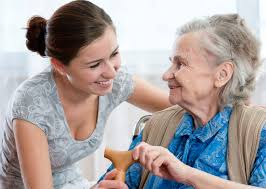
Tips for Dementia Caretakers


11th of July, 2017

Tips for Caretakers:

Whether you are a relative caregiver or a caregiver sent by a home care agency, dealing with people who have dementia can be difficult and challenging. The challenges come from having to absorb the emotional toll of dementia and also from having to use proper techniques to interact with dementia patients.

Here are some tips to be a good caretaker without the burn out:

Set a positive atmosphere.

When talking to a dementia patient, set a positive tone and atmosphere.
your body language and tone matters a lot when communicating. 
No matter your mood, remain positive, calm and pleasant. 
It will help your loved one or dementia patient absorb information 
better and be more receptive.
Redirect their attention.

Sometimes dementia patients get easily upset and agitated. 
When this occurs, acknowledge their feelings and change the subject
"I am sorry I upset you, can you help me fold the laundry and then make dinner?"
 It is important to change their focus to something positive to end the feeling 
of frustration or agitation.
Think back on the past.


You may have heard their story about how they met their spouse a million 
times, but it is important to be receptive to these stories. Often, these are the most 
significant to the person with dementia. Their short term memory may be 
suffering but they will remember events that happened years ago. Ask them questions, 
enjoy their stories; it will make them feel so happy and put them in a good mood.

Communicate simply (ask easy questions).

Do not bombard the dementia patient with questions. 
Ask one question at a time. Do not ask open-ended questions;
 rather stick to "yes or no" questions. It will be easier for them
 to answer and will reduce confusion.

July 6, 2017

Parkinson's Disease


6th of July, 2017


Parkinson's Disease:

Parkinson's Disease is a disease of the Central Nervous System and mostly occurs among the elderly.
As we age, our cells don't regenerate at the rapid rate they use to and cause a decline in mobility and memory.
Some of the symptoms of Parkinson's are tremors of the hands, stiffness, poor balance.

Unfortunately, there is no cure for Parkinson's Disease but medications can be taken to alleviate the symptoms. Muscle rigidity is a very common symptom and can limit the range of motion in this case. Automatic movements such as chewing, blinking, and smiling can decline as well. In severe cases, slurred speech also occurs and makes talking very difficult.


There are several causes of Parkinson's:


Natural aging process where cells do not multiply rapidly enough to keep up with demand
Environmental Triggers. Constant exposure to environmental toxins can increase the risks for Parkinson's.
Genetics. Certain genetic mutations increase the likelihood of developing Parkinson's.
Lewy Bodies are clumps of proteins that collect inside nerve cells and increase the chances for Parkinson's as well.

Men are more likely to develop Parkinson's Disease. This is possible because men do not reap the protective benefits of estrogen and they are more likely to hold jobs which leads to head injuries.

To diagnose Parkinson's Disease it is important to see a medical professional. They can conduct brain scans such as PET scans and MRIs. Levodopa is a popular medication that may be used to treat the symptoms of Parkinson's.

March 21, 2017

Recognizing Dementia


21st of March, 2017


Recognizing Dementia:


Dementia can affect people from all walks of life. The likelihood of getting dementia increases with age but there can be early on-set of dementia as well. Occasional forgetfulness happens to everyone and does increase with age. It can be a normal part of life.
However dementia signs and symptoms are a lot more than just forgetfulness. Recognizing the early signs and symptoms is important to keep your loved ones safe.

Here are some early signs and symptoms of recognizing dementia:


Learn to notice sudden fluctuations in mood and personality. If your loved one becomes angry or frustrated more than normal, it may be a sign of dementia. They may have these sudden drops in mood due to their inability to make sense of their thoughts or their environment. They may also become aggressive or paranoid.

Notice any changes in their short-term memory but not long term memory. Long term memory, especially childhood memories, stay intact for a long time. Short-term memory is often disrupted during dementia.

Pay attention to your loved one having trouble wording ideas in speech or in writing. An individual experiencing dementia may stop their speech in the middle of a sentence of an idea. The pattern of speech may become disrupted.

Be aware that depression and dementia often go hand in hand. A dementia patient may frequently become depressed and lose interest in their usual activities. They may not want to interact as much with you or with other people around them.
These kinds of symptoms often worsen during evening time and therefore it is called "sun-downing."


*It is always recommended to see a professional to officially diagnose any kind of change in behavior.*

March 13, 2017

Staying Safe During the Storm


13th of March, 2017

Staying Safe During the Storm:

Winter time can be challenging for everybody. It can cause mood disorders due to decrease in daylight, traffic jams and holiday stress. However, winter time can also wreck havoc on the elderly or disabled who live alone and rely on someone to help care for them. Many older adults rely on their caregivers to arrive but the caregivers are not able to due to the storm.


Here are some tips for the elderly and their families to follow to survive the winter flurries or the rain:

First, prepare all the groceries in advance. As everyone braces for the storm - grocery stores will be jam packed with people. Be smart and get there first - stock up enough food for several days to make sure you don't need to leave the house and have all the food you need. Make sure to prepare water and warm drinks as well (such as coffee, tea or hot chocolate).

Second, purchase flashlights, candles and enough batteries to last for a minimum of 4-7 days. Although unlikely, sometimes the power does go off during an intense storm. It is better to be safe than sorry - which is what will happen if you're stuck in the dark for such a long time. Prepare to light your own way through the house just in case the power goes out.

Third, have a first aid kit prepared for yourself and loved ones in advance. Most likely you will not need it - but is better to have it if you do, in case of emergency. Here are some things that must be in a First Aid Kit, courtesy of the Red Cross (this can also be found on their site):


  • 2 absorbent compress dressings (5 x 9 inches)
  • 25 adhesive bandages (assorted sizes)
  • 1 adhesive cloth tape (10 yards x 1 inch)
  • 5 antibiotic ointment packets (approximately 1 gram)
  • 5 antiseptic wipe packets
  • 2 packets of aspirin (81 mg each)
  • 1 blanket (space blanket) 
  • 1 breathing barrier (with one-way valve)
  • 1 instant cold compress
  • 2 pair of nonlatex gloves (size: large)
  • 2 hydrocortisone ointment packets (approximately 1 gram each)
  • Scissors
  • 1 roller bandage (3 inches wide)
  • 1 roller bandage (4 inches wide)
  • 5 sterile gauze pads (3 x 3 inches) 
  • 5 sterile gauze pads (4 x 4 inches)
  • Oral thermometer (non-mercury/nonglass)
  • 2 triangular bandages
  • Tweezers
Some additional tips: 
  • have the batteries in your hearing aides replaced so you don't run out. 
  • charge your cell phones in advance
  • enough pet supplies and food
  • ample heating methods such as personal heaters or fireplace
  • enough medication especially if you have an existing condition
Most importantly, stay warm and safe!


March 8, 2017

Fall Prevention for the Elderly


8th of March, 2017


Fall Prevention for the Elderly:


A tumble can happen at any age. We learn to walk as little kids, and we fall quite often - its a natural part of life. Unfortunately when elderly people fall, it is much more dangerous because their brittle bones cannot withstand the impact.

As we age, our gait/balance changes and becomes more unstable due to lack of practice. Falling can also lead to anxiety, depression and a sense of vulnerability. Which is why it is so important to prevent falls.

There are several ways to prevent falls::

First, encourage the elderly person in your family to get an eye check up to make sure their vision is not deteriorating. Poor vision can affect their ability to walk and see what is in their path.

Second, be familiar with their medication. Some medicine does include sleep aids or can lead to drowsiness and disorientation. This is especially dangerous at night when the elderly may get up to use the restroom. Consider bed pans to reduce late-night walking.

Third, get companion care for your loved one. This is the easiest step but unfortunately people always hire help AFTER a serious fall has taken place. A companion will ensure your love one's safety and prevent falls.

Other tips and tricks to prevent falling:

  • install grab bars in showers
  • use non-slip rugs
  • keep a well-lit home
  • secure rails on stairs
Keep your loved one safe and healthy by using these tips to prevent falls!

March 7, 2017

Pet Therapy to Boost Mood for Older Adults


7th of March, 2017


Pet Therapy to Boost Mood for Older Adults:


Aging is something we all must endure at some point in our lives. It is a process that brings many ailments with it and the most common one is clinical depression. There are many ways to help alleviate the symptoms of depression: exercise, socializing, medication, sunlight therapy. However, one of the newest ways of battling depression in older adults is through Pet Therapy.

Owning a dog generally has positive side affects on people and especially on the elderly. It significantly lowers blood pressure, risk of heart disease, and encourages them to exercise because the dog must be walked. Owning a dog has even helped improve vital signs for elderly experiencing dementia. Although it is not a cure-all for disease, it certainly improves the situation for a lot of people!

Spending time with dogs and petting them, releases "feel good" chemicals such as serotonin, oxytocin (a bonding hormone) and prolactin. These chemicals critically improve mood and alleviate depression.
So the next time you sense your parent or grandparent is depressed, let them spend a little time with the neighbor's pooch! It will go a long way.

March 6, 2017

What Home Care Costs?

What Home Care Costs?

As you investigate the different options available to you, you want to choose the type of care that fits into your lifestyle. One of the first things on your mind is how you care decisions will affect your bank account. You are not alone: many people searching for care are apprehensive about the potential financial burden of paying for long-term care. What will home care cost for you? It maybe more affordable than you think.

The Average Cost Of Care

The cost of non-medical home care varies depending on where you live and the amount of care you will need. According to the "Cost of care Survey" an annual report by Genworth, home care costs less than other options like adult day care, assisted living and skilled nursing. The national average cost of home care per hour ranges between only $ 10 to $ 36. By comparison, the average resident at an assisted living community pays $3,600$ per month. Nursing homes can cost up to $250 per day. In the past five years, the costs of assisted living and skilled nursing have risen by 3,5%.

Preventing Costly  Accidents 

In addition to being an affordable option, home care can prevent the accidents and injuries that lead to hospital stays and visits to the doctor. ComForCare Companion  Caregivers help with activities of daily living: they can help prevent falling and promote a healthier living environment. Falls can lead to head injuries and broken bones, and having a steady hand helps many seniors be more sure on their feet.
Keeping track of prescription  is also a challenge  for many people using home care services. Medication reminders given by a ComForCare Companion caregiver  can prevent our clients from forgetting to take their medication or overdosing, both of which can lead to more serious health concerns.
ComForcare Companion Care is proud to provide the services that lead to a higher quality of life for many people and their families. Contact our ComForCare Companion Care office in Brooklyn     New York to find out more about what home care cost for you.