Showing posts with label caregiving. Show all posts

July 11, 2017

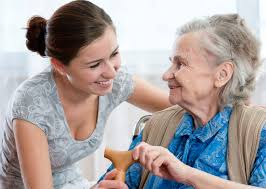
Tips for Dementia Caretakers


11th of July, 2017

Tips for Caretakers:

Whether you are a relative caregiver or a caregiver sent by a home care agency, dealing with people who have dementia can be difficult and challenging. The challenges come from having to absorb the emotional toll of dementia and also from having to use proper techniques to interact with dementia patients.

Here are some tips to be a good caretaker without the burn out:

Set a positive atmosphere.

When talking to a dementia patient, set a positive tone and atmosphere.
your body language and tone matters a lot when communicating. 
No matter your mood, remain positive, calm and pleasant. 
It will help your loved one or dementia patient absorb information 
better and be more receptive.
Redirect their attention.

Sometimes dementia patients get easily upset and agitated. 
When this occurs, acknowledge their feelings and change the subject
"I am sorry I upset you, can you help me fold the laundry and then make dinner?"
 It is important to change their focus to something positive to end the feeling 
of frustration or agitation.
Think back on the past.


You may have heard their story about how they met their spouse a million 
times, but it is important to be receptive to these stories. Often, these are the most 
significant to the person with dementia. Their short term memory may be 
suffering but they will remember events that happened years ago. Ask them questions, 
enjoy their stories; it will make them feel so happy and put them in a good mood.

Communicate simply (ask easy questions).

Do not bombard the dementia patient with questions. 
Ask one question at a time. Do not ask open-ended questions;
 rather stick to "yes or no" questions. It will be easier for them
 to answer and will reduce confusion.

June 21, 2017

Preventing Arthritis


21st of June, 2017

Preventing Arthritis:

Arthritis is the inflammation of joints which causes stiffness, pain and limited range of motion. Arthritis is more likely to inflict people of older ages, from normal wear and tear of the joints. Genetics, excess wear
and tear, injury and the natural aging process can both increase the risk for arthritis. While arthritis can be painful, it is not life threatening. Here are some tips to prevent arthritis from afflicting you:

1. Keeping your weight at a healthy number can definitely reduce the likelihood of arthritis. When the body carries around excess weight, it puts extra stress on the skeletal system, joints, and muscles. keeping excess weight off will reduce stress on your joints and prevent deterioration.

2. Keeping a healthy diet and eating plenty of fish can help you keep your bones healthy. The healthy omega-3 fats in fish, help you keep a strong skeletal system, keep excess weight off and provide your body with much-needed nutrients.

3. Engage in low-impact exercise, which will help strengthen your muscles, keep the excess weight off the bones and joints. The best, low impact exercise is biking, swimming, yoga, pilates, walking.

4. Prevent injury during any activity by wearing the appropriate protective devices, cushioned shoes, and other safety gear. Preventing injury is the best way to diminish the likelihood of arthritis in people of all ages and genders.

5.  Keep your Vitamin D levels high by engaging in outdoor activities with sun exposure. Yes, you can take vitamins to ensure you have proper levels of Vitamin D. However, Vitamin D from the sun cannot be replaced by a pill and is necessary for proper calcium absorption and strong bones.

6. Stay Hydrated by drinking plenty of non-sugary water throughout the day. The cartilage in our joints largely consists of water and drinking water is necessary to replenish it. Not only that, drinking water helps keep off excess weight and helps the body function better overall.

Use these tips daily, check in with your doctor regularly and help prevent arthritis!

June 12, 2017

Fall-Prevention for the Elderly


12th of June, 2017

Fall-Prevention for the Elderly:


As people age, their bones become more brittle and soft. Their gait also becomes more unsteady and balance becomes poor. This leads to unexpected falls and broken bones. Unfortunately, in the elderly, broken bones do not heal quickly or easily and can lead to permanent disability.
To prevent falls in the home and help them maintain their long-term independence, here are some tips:

Furniture should not be in the way where there is a lot of foot traffic. Rugs should be removed or secured using anti-slip backings. These backings can be bought in any supply store or online and put on the back of the rug. Tape or remove any loose wires, such as phone wires or internet cables, to prevent falls that way as well. Keep all objects off the floor and keep the apartment/house well-lit.

Bedrooms should be well-lit as well and there should be a lamp next to the bed, available for easy reach. A night light is also recommended to use. Night lights are cheap and affordable and provide a constant, dim light in a room for children as well as the elderly or those who have fears of the dark. Have a bed that is low to the floor so getting in and out of the bed is less challenging.

Bathrooms are the most important place in the home to safe-proof for the elderly. There are many dangers lurking that can cause a fall. For instance, use a non-slip mat or sticky strips in the tub to prevent falling when it gets wet and slippery. Grab bars are important to install outside the tub/shower as well as inside. This will allow a person to steady themselves when showering. A removable seat would also be recommended so sitting down while bathing could an option.

The same tips should be used in other areas of the home. It is important that if an individual does fall, that they have a way of calling for help. This could be by using a personal alarm system or by always carrying a cell phone with them.

We hope these tips prevent future falls for your loved ones.